Call us now:

Most guides on how carpet is made answer a homeowner’s curiosity. Yours is different. You’re staring down a fire-code submittal, a supplier quote that doesn’t add up, or a shipment that’s three weeks late for a hotel opening. This guide breaks down the manufacturing process, the compliance stack, and the sourcing decisions that actually protect your project budget and timeline.
How Is Carpet Made? The Seven-Stage Production Process
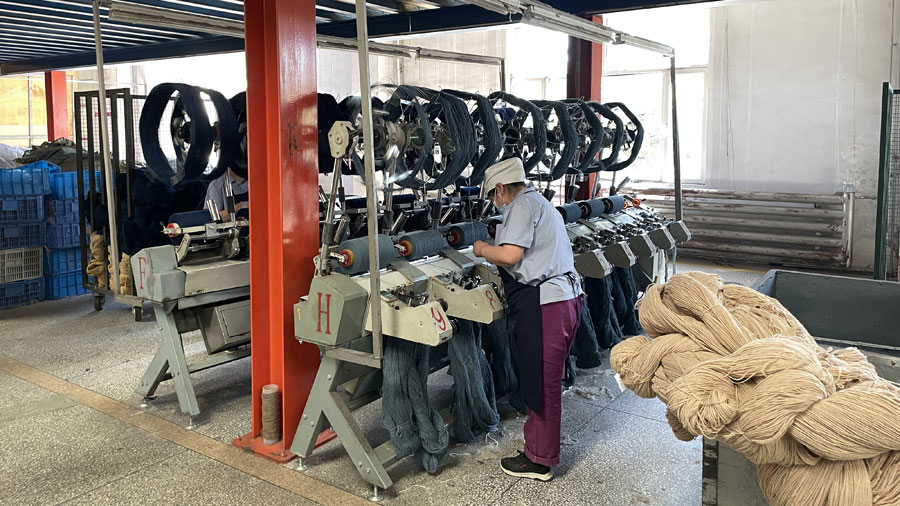
Carpet manufacturing runs through seven distinct stages: fiber creation, yarn preparation, tufting or weaving, dyeing, secondary backing, finishing, and quality control. Each stage introduces a variable that matters far more on a 400-room hotel order than on a single living room.
Fiber creation sets the baseline for durability. Yarn preparation determines twist level, which affects how well the pile resists crushing under rolling luggage carts and daily foot traffic. Tufting or weaving locks the yarn into the backing — this is where construction method becomes a real commercial decision, not just an aesthetic one. Dyeing determines batch-to-batch color consistency, which matters enormously when you’re ordering carpet for 40 corridors that all need to match. Backing and finishing lock in stability and appearance. Quality control is the gate that decides whether any of this ships at all.
Machine-Made vs Hand-Tufted vs Hand-Knotted vs Axminster
| Method | Speed | Design Complexity | Typical Use Case | Cost Tier |
|---|---|---|---|---|
| Machine Tufted | Fast | Low-Medium | Corridors, back-of-house | Low |
| Axminster Weave | Medium | High (multi-color patterns) | Hotel lobbies, ballrooms | Mid-High |
| Hand-Tufted | Slower | High | Custom logo carpets, boutique hotels | Mid-High |
| Hand-Knotted | Slowest | Highest | Signature suites, heritage properties | High |
Fab Carpet runs all four production lines in-house. That matters for one reason: your project rarely needs one method for the whole job. A hotel might need Axminster for the lobby, machine tufting for staff corridors, and hand-tufted logo mats at the entrance. Sourcing all three from one factory removes a coordination headache most buyers don’t see coming until it’s too late.
What Fiber Should You Actually Specify?
Fiber choice decides how the carpet performs three years into a lease, not how it looks on day one.
Nylon holds up well under heavy traffic and resists crushing. Polyester delivers strong color clarity at a lower price point but crushes faster under sustained foot traffic. Olefin resists moisture but wears down faster in high-traffic zones. Wool sits in a category of its own for hospitality and high-end commercial work — it recovers from crushing better than any synthetic fiber and ages visibly slower.
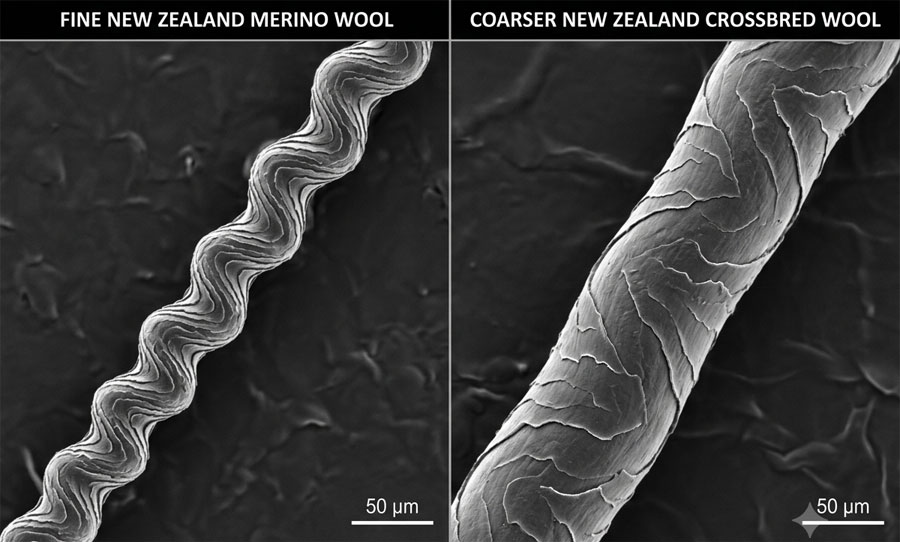
Premium New Zealand Wool specifically brings a coarser fiber diameter and tighter natural crimp than standard wool blends. That crimp structure is what gives the pile spring-back after a rolling cart or a thousand daily footsteps compress it. Fab Carpet sources this wool grade specifically for projects where five-year appearance retention is part of the spec, not an afterthought.
The Density Formula Procurement Teams Should Know
Pile density isn’t a marketing term — it’s a calculation:
Density = Pile Weight (g/m²) ÷ Pile Height (mm)
Higher density means better wear resistance and better acoustic absorption. A carpet with high pile weight but low density (tall, sparse pile) will crush and show traffic lanes fast. A dense, lower-pile carpet holds its appearance in a hotel corridor far longer than a plush but sparse alternative — even if the sparse one feels nicer on a showroom sample.
Interactive Tool: Carpet Calculator — Enter your project area, target density, and fiber type to get an estimated cost range, shipping weight, and lead time bracket before you request a formal quote.
compare fiber performance side by side
Fire Rating and Compliance: The Section Most Guides Skip Entirely
This is where most carpet content stops short — and where projects get rejected at permit review.
Why Class I Fire Rating Isn’t Optional
Commercial and hospitality carpet must pass Class I Fire Rating under ASTM E648, which measures critical radiant flux — how far a flame spreads across the surface under controlled heat exposure. In Europe, the equivalent benchmark is Bfl-s1 under EN 13501-1. Fire marshals reject submittals without a current test report on file. No exceptions, no verbal assurances.
Fab Carpet tests every qualifying product line to Class I / Bfl-s1 standards and issues the certificate alongside the quote, not after the deposit clears.
The Certificate Stack You Should Request Before Signing Any PO
- CRI Green Label Plus (GLP9123 / GLP5308) — indoor air quality, low VOC emissions
- EN 14041 (CE Marking) — required for EU market entry
- MED Wheelmark — IMO marine standard, required for cruise and yacht interiors
- UKCA / UKMCA — required for UK market entry post-Brexit
- ISO 9001 / 14001 / 45001 — quality, environmental, and occupational safety management
verify certification status against the official registry
Ask any supplier for original certificate copies with matching batch or product codes — not a generic PDF pulled from a catalog. This single check prevents more compliance failures than any other step in procurement.
[Downloadable Resource: Download Free B2B Carpet Compliance Checklist PDF] — the exact certificates to request, what each one verifies, and how to confirm they’re current.
Sourcing: Factory-Direct vs Trading Company vs Distributor
Here’s where a 20-30% budget gap usually hides.
| Sourcing Path | Typical Markup | Who Controls Quality |
|---|---|---|
| Local Distributor | 40-60% over factory price | Distributor, limited visibility |
| Trading Company | 20-35% over factory price | Trading company, no direct factory access |
| Factory Direct (OEM/ODM) | Baseline factory price | Buyer, direct communication with production |
Each middle layer adds margin without adding value to the carpet itself. Factory-direct sourcing through an OEM/ODM arrangement puts you in direct contact with the people setting dye lots and running QC checks — which shortens the distance between a spec change and a production adjustment.
Fab Carpet operates as a source factory based in Qinghai, China, running OEM/ODM production for architects and hospitality buyers across North America and Europe. The advantage isn’t a lower sticker price — it’s removing the layers that turn a two-week production delay into a two-month one, because nobody in the chain has the authority to fix it directly.
MOQ and Lead Time Reality
Machine-tufted orders typically run shorter lead times and lower minimums than hand-knotted work, which requires weeks of manual production per batch. Sampling and approval cycles add time upfront but prevent a full production run in the wrong color or density. Ask for a realistic lead time bracket by construction method before you lock a delivery date into your project schedule — not after.
Supplier Due-Diligence Checklist
- Request certificate originals, not photocopies or catalog PDFs
- Confirm production capacity against your order volume, in writing
- Ask whether third-party pre-shipment inspection is accepted
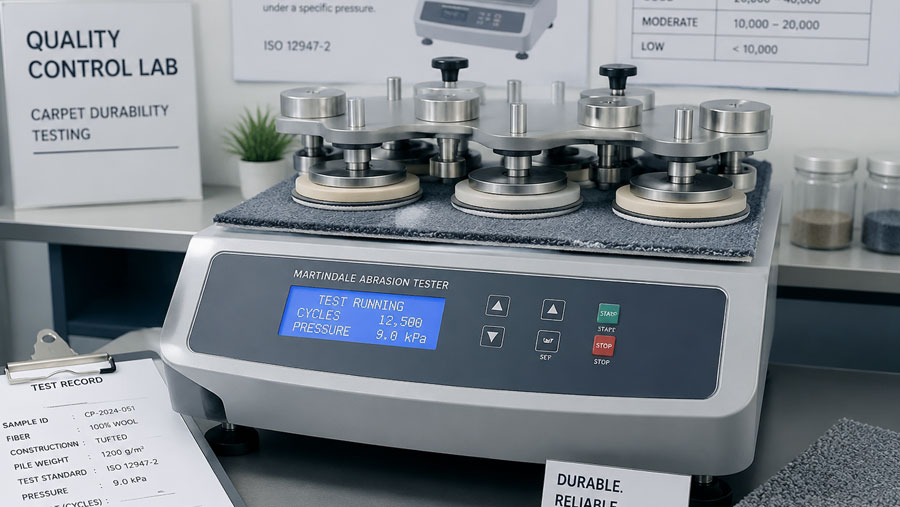
- Verify the factory’s QC lab equipment list (abrasion testers, flammability rigs)
Quality Control: What Happens Before the Container Ships
Fiber batches get tested for consistency before yarn production starts. Dye lots are checked against approved standards to prevent shading mismatches across a large order. Pile density gets verified against the approved sample — not just visually, but measured. Pre-shipment inspection catches backing delamination, seam issues, and pile lean before the container leaves the port.
Fab Carpet runs production through a five-tier internal inspection gate, AAAAA Quality Standard, checking fiber batch consistency, dye-lot matching, density verification, backing integrity, and final pre-shipment inspection at each stage — not just at the end.
Maintenance and Real Lifecycle Cost
Skip the generic “vacuum regularly” advice. What matters is a simple model:
Lifecycle Cost = (Purchase Price + Installation + Maintenance) ÷ Years of Service
A cheaper carpet with a shorter replacement cycle in a high-traffic lobby often costs more per year than a higher-density option built for that traffic level. Match fiber and density to the actual foot traffic pattern in each zone — corridors, lobbies, and entertainment venues wear at very different rates, and specifying one carpet grade for all of them is a common budget mistake.
FAQ
What’s the typical MOQ for OEM/ODM carpet orders?
MOQs vary by construction method — machine-tufted runs lower minimums than hand-knotted or hand-tufted work, which requires dedicated manual production time.
How long does sample production take before bulk order?
Standard samples typically ship within one to two weeks; custom color or pattern samples take longer since they require a dedicated small-batch dye run.
What’s the realistic sea freight lead time for a full container?
Ocean freight from major Asian ports to North America or Europe generally runs four to six weeks in transit, on top of production lead time.
Do I need both CRI Green Label Plus and EN 14041?
Only if you’re shipping into both markets. CRI GLP applies to North American indoor air quality standards; EN 14041 is required for CE marking and EU market entry.
Can one factory produce both Axminster and hand-tufted carpet for the same project?
Yes — this is common for hotel projects needing woven carpet in high-visibility areas and hand-tufted logo mats at entrances, sourced from a single supplier to simplify color matching and delivery scheduling.
What fire rating do I need for hospitality corridors specifically?
Class I Fire Rating under ASTM E648 is standard for U.S. hospitality corridors and public spaces; confirm local code requirements, as some jurisdictions add stricter smoke density testing on top of this baseline.
Ready to Move Forward?
Request free sample swatches, submit an RFQ for your project specs, or download the technical data sheet (TDS) for our Premium New Zealand Wool and Axminster product lines. Our team will respond with a lead time and pricing bracket matched to your actual project parameters — not a generic catalog quote.